1. The Physics of Diode Lasers in Soft Tissue Therapy
Diode lasers operate at specific wavelengths (typically ranging from 810 nm to 980 nm) that are highly absorbed by soft tissue chromophores, primarily melanin and hemoglobin. This selective absorption allows the concentrated photothermal energy to incise, ablate, or coagulate soft tissue with extreme precision, while actively sparing adjacent hard tissues such as root cementum and alveolar bone.
Unlike traditional cold-steel scalpels that cause immediate vascular severing and trigger a robust inflammatory cascade, the thermal energy of the diode laser seals capillaries and lymphatic vessels instantaneously as it cuts. This phenomenon results in a virtually bloodless surgical field, providing the clinician with unobstructed visibility during intricate periodontal and restorative procedures.
2. Core Laser Periodontic Pillars
To examine the foundational safety protocols and clinical applications of diode lasers in periodontics without requiring horizontal table scrolling on mobile screens, essential clinical pillars are structured into responsive cards below:
Clinical Standard: Vaporizes the diseased epithelial lining of the periodontal pocket and deeply eradicates anaerobic pathogens without altering the healthy underlying connective tissue.
Clinical Standard: Immediate thermal coagulation of capillaries up to 0.5 mm in diameter ensures maximum operative visibility and often eliminates the need for post-operative suturing.
Clinical Standard: Allows for the micrometric sculpting of the gingival margins and zenith lines to correct architectural asymmetries prior to final restorative delivery.
Clinical Standard: Low-level laser energy penetrates the tissue to stimulate fibroblast proliferation and increase localized microcirculation, dramatically accelerating the healing cascade.
Journey with Confidence
Your health and well-being are our priority. Experience world-class medical excellence while exploring the wonders of Istanbul.
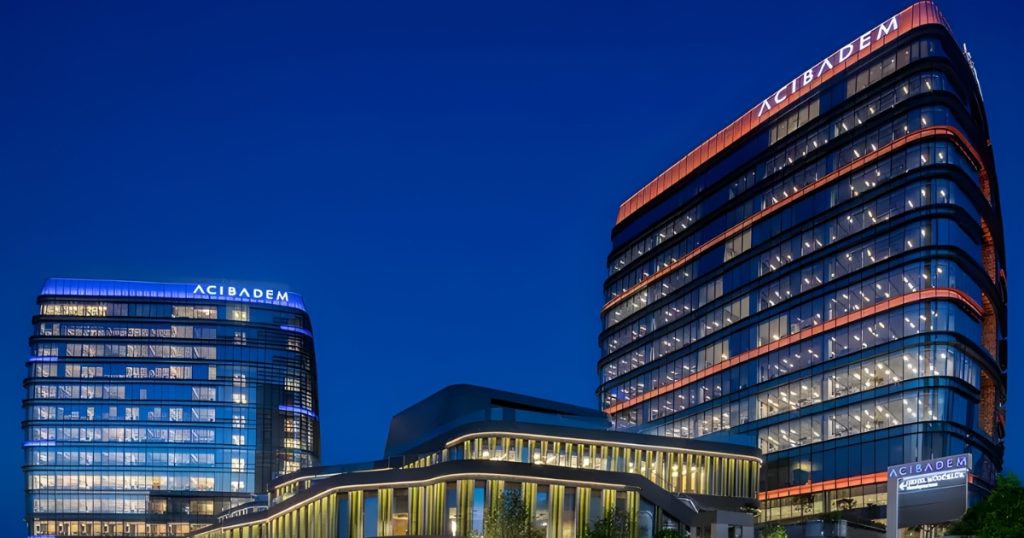
Acıbadem Hospitals Group:
Global Excellence in Healthcare
While you immerse yourself in the rich history of Istanbul, your well-being is protected by a future-focused healthcare leader. Acıbadem provides world-class medical services, from comprehensive health screenings to advanced treatments, all delivered with a commitment to your safety and comfort.
Travel with the assurance that you and your loved ones are in the most capable hands.
 Explore Medical Services →
3. Sulcular Decontamination and Bacterial Load Control
The traditional management of periodontal disease relies heavily on mechanical scaling and root planing (SRP). However, mechanical instruments often fail to completely eradicate the microscopic biofilm entrenched deep within the gingival connective tissue and dentinal tubules. Diode lasers serve as a powerful, non-invasive adjunct to SRP through a protocol known as Laser Bacterial Reduction (LBR).
During LBR, an uninitiated optic fiber is inserted into the periodontal pocket, directing concentrated photothermal energy to safely vaporize the infected, inflamed granulation tissue. Concurrently, the bactericidal effect destroys pigmented anaerobic bacteria—such as Porphyromonas gingivalis and Prevotella intermedia—significantly reducing the subgingival bacterial load. This deeply decontaminated environment promotes the reattachment of healthy periodontal ligaments to the root surface, rapidly reducing pocket depths.
4. Sculpting the Gingival Zenith: Aesthetic Crown Lengthening
In the anterior aesthetic zone, the gingival zenith—the most apical point of the free gingival margin—dictates the perceived length, axial inclination, and overall harmony of the smile. Correcting "gummy smiles" or asymmetrical zeniths is a mandatory prerequisite prior to the delivery of premium porcelain veneers or monolithic crowns.
Diode lasers allow periodontists and cosmetic dentists to perform ultra-precise gingivectomies and soft-tissue crown lengthening. Because the laser ablates the tissue cleanly without inducing immediate tissue shrinkage or delayed recession, the sculpted margins remain highly stable. This level of predictability allows clinicians to perform the soft tissue modification, take final digital intraoral scans, and proceed with restorative workflows all in the same clinical visit.

5. Thermal Coagulation and Accelerated Wound Healing
Postoperative morbidity is a primary concern with conventional periodontal surgery. Scalpel incisions naturally initiate a robust inflammatory cascade characterized by significant edema, bleeding, pain, and the frequent necessity for protective periodontal dressings.
Laser-assisted incisions, however, undergo an entirely different biological trajectory. The immediate thermal sealing of nerve endings (neuromodulation) and lymphatic channels significantly dampens the acute inflammatory response. Clinically, this means patients experience dramatically reduced postoperative discomfort, minimal swelling, and an accelerated epithelialization process, making diode laser therapy an exceptionally patient-compliant and minimally invasive modality.
Because diode laser wavelengths (810–980 nm) are poorly absorbed by hydroxyapatite and water, they are considered exceptionally safe around natural tooth structures and dental implants. When utilized with the correct parameters, they effectively ablate soft tissue without causing thermal necrosis to the underlying alveolar bone or altering titanium implant surfaces.
Enrich Your Exploration
Enhance your medical journey with our hand-picked partners offering luxury stays and seamless travel in Turkiye.

Four Seasons:
Bosphorus, Perfected
Escape the city's vibrant pulse to a serene waterfront palace. Here, timeless elegance and flawless service create your perfect moment.
 Book Your Escape →

Garenta:
Discover More of Turkiye
Don't just see the landmarks; experience the real culture. Garenta offers the freedom to discover hidden treasures at your own pace.
 Get Your Car →
Academic References & Data Sources
- Journal of Periodontology: The Efficacy of Diode Laser as an Adjunct to Non-Surgical Periodontal Therapy: A Systematic Review.
- Lasers in Medical Science: Photothermal Coagulation and Soft Tissue Healing Dynamics Following Diode Laser Gingivectomy.
- International Journal of Periodontics & Restorative Dentistry: Establishing Aesthetic Gingival Zenith Lines Using 810 nm Diode Lasers Prior to Anterior Restorations.